
Berrylands
Berrylands, Kingston upon Thames
The eastern part of Surbiton, mostly built up between the wars
‘Berry’ was a variant of the Old English ‘beorg’, or barrow. The manor of la Bergh was recorded in 1241 and a licence granted the enclosure of land at Berowe in 1439.
For almost half a millennium the area was to remain in agricultural use, dominated latterly by two large farms – Berry Lodge, on the Tolworth border, and Berrylands to the north.
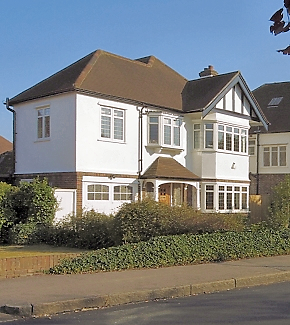
By the early 20th century housing had begun to encroach on the fields but the watershed event was the opening of the Kingston by-pass in 1927. Berrylands was soon being aggressively marketed as a new suburban haven, marking the end of the dairy herd at Berry Lodge Farm and its supply of milk to Surbiton.
Seven local developers clubbed together to fund over 90 per cent of the cost of Berrylands station, which opened at the top of Chiltern Drive in 1933.
The following year saw the creation of a small park with a swimming pool called Surbiton lagoon. The much-loved pool closed for repairs in 1979, never to reopen. The site has been turned over to trees and grass, while the houses of Meldone Close have replaced former tennis courts.
Just under 82 per cent of Berrylands’ residents are white, according to the 2011 census, down from almost 90 per cent in 2001. The proportion of one-person households is very high for a suburban district.