
King’s Cross
King’s Cross, Camden/Islington
Formerly called Battle Bridge, King’s Cross is a much changed inner city district situated one mile east of Regent’s Park
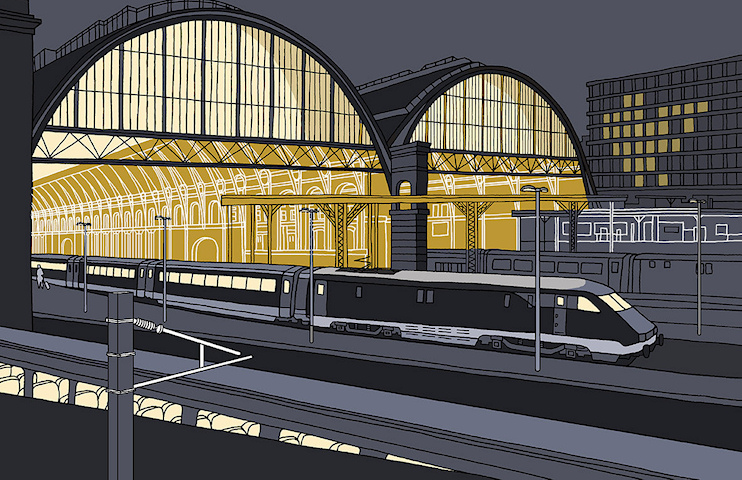
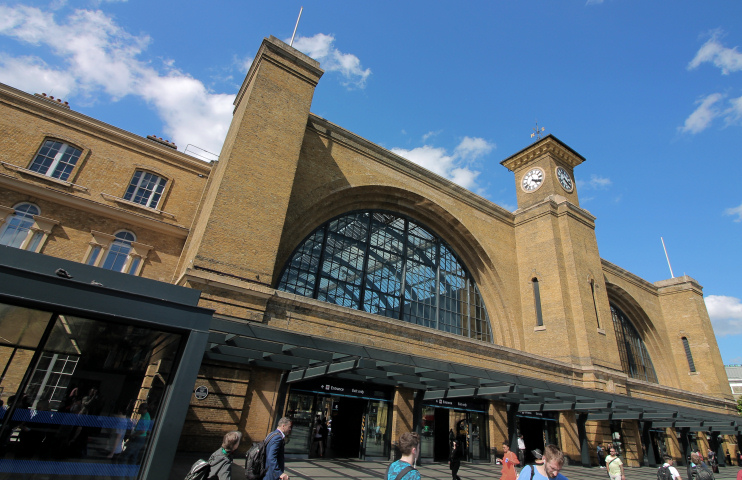
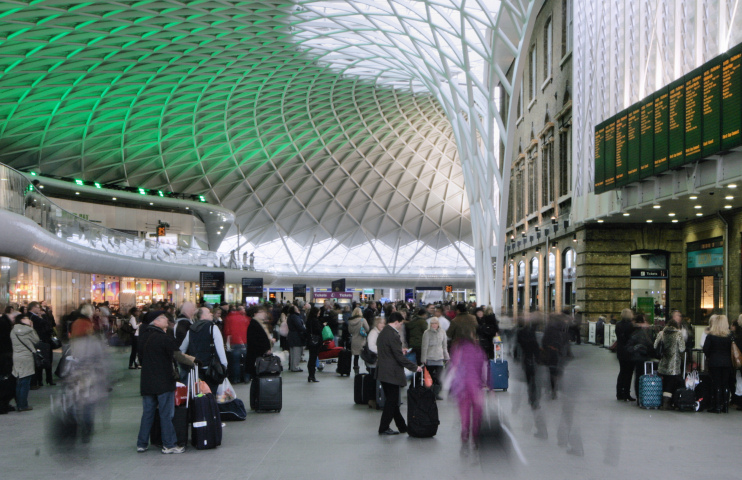
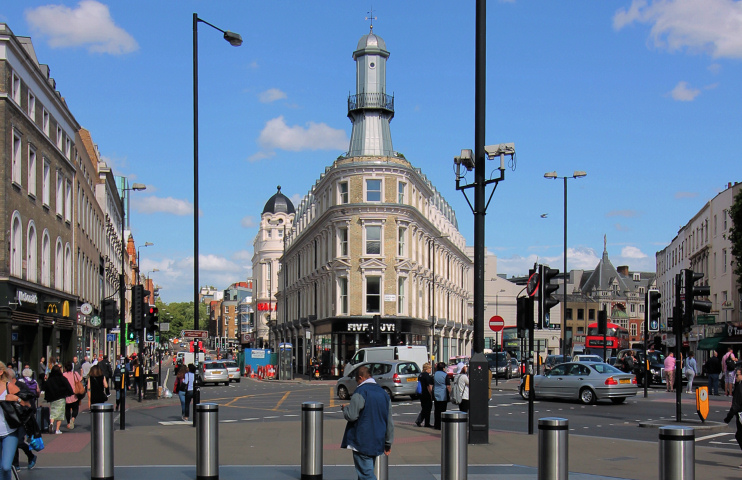
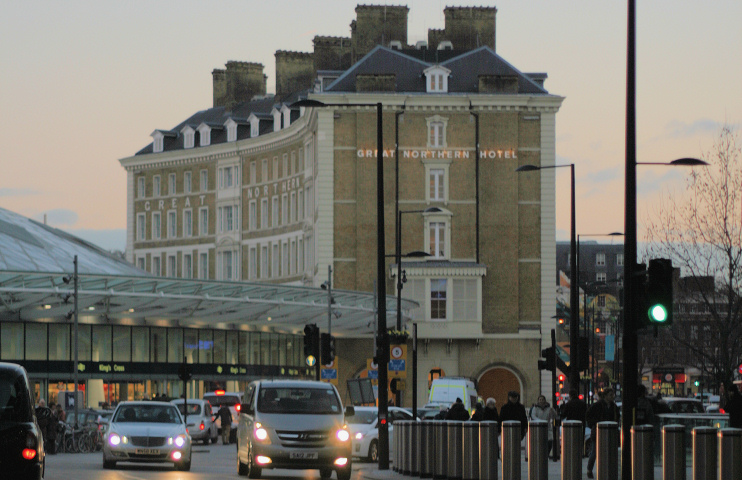
The district’s modern name comes from a statue of George IV that was erected at the junction of Euston Road, Gray’s Inn Road and Pentonville Road in 1830. The statue was removed only 15 years later owing to its unpopularity with the local community. However, the name proved more resilient and was applied to the Great Northern line terminus when it opened in 1852, and subsequently to an expanding neighbourhood to the north and south, much of which was previously known as St Pancras.
For many years, King’s Cross was one of central London’s poorest districts and its shops, hotels and homes have all reflected this. It had a high concentration of people living in short-term accommodation and its streets were a gathering point for drug dealers and addicts, alcoholics, prostitutes and the homeless. The redevelopment of the area, combined with heavy policing and comprehensive use of CCTV, has now almost eliminated the more obvious manifestations of the area’s problems, though underlying difficulties remain.
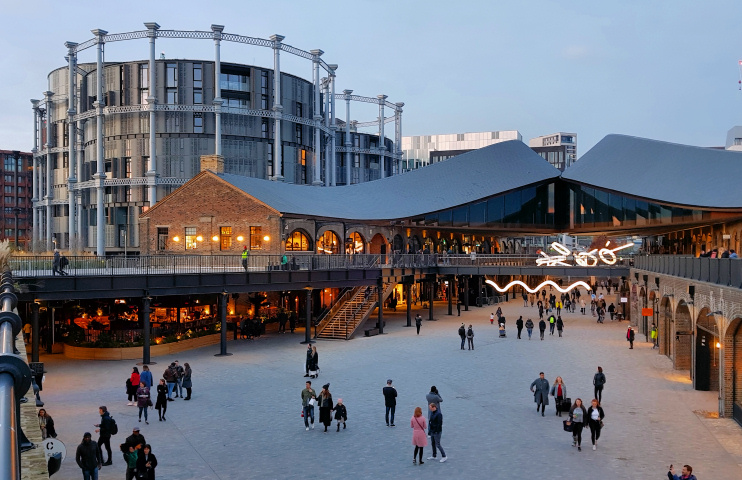
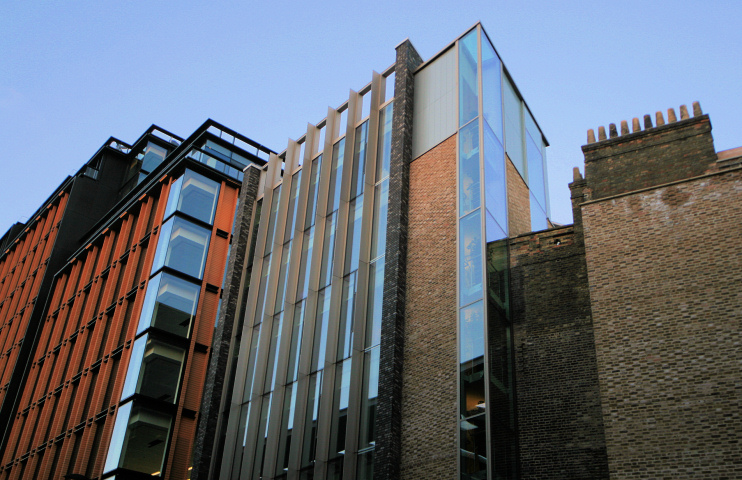
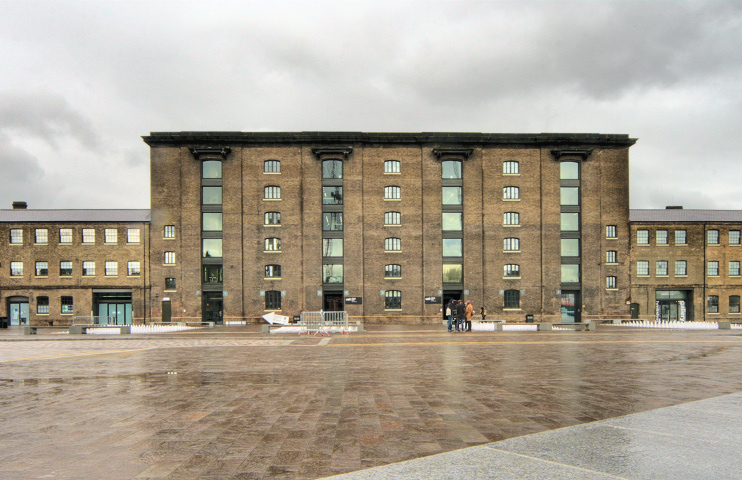
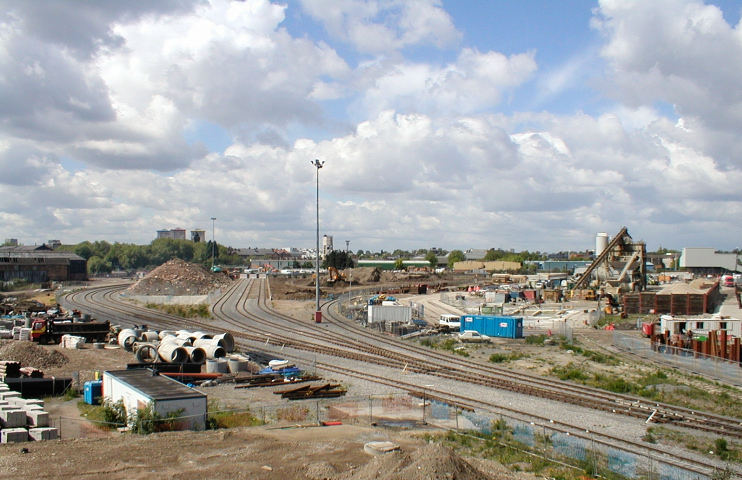
In one of the largest regeneration schemes in London, a huge project is almost complete to the north of King’s Cross station, including parks, squares and streets. A new campus for Central Saint Martins college of art and design has opened here.
The uber-cool Coal Drops Yard retail quarter opened in October 2018, based in long Victorian sheds that were formerly used to transfer coal from rail to road. For a lengthy evaluation of Coal Drops Yard and the entire King’s Cross regeneration scheme, see this Guardian article by Rowan Moore.
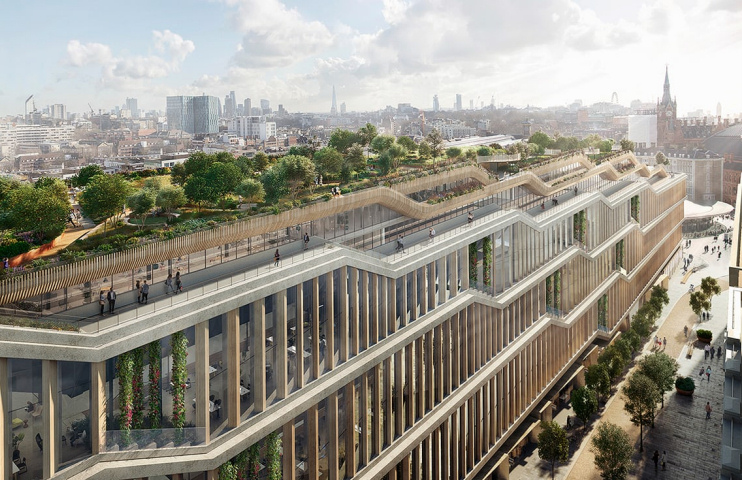
The last piece of the jigsaw will be Google’s ‘landscraper’ London headquarters (as visualised in the CGI in the slideshow above).
At the same time, the appearance and serviceability of King’s Cross station has been significantly improved, with the restoration of its original frontage and the construction of a new booking hall, also shown in one the images above.
King’s Cross station hides two secrets: legend has it that Boudicca, queen of the Iceni, is buried beneath platform 11, while Harry Potter and his schoolmates board the Hogwarts Express at platform 9¾.
Postal districts: N1 and WC1
Population: 11,843 (2011 census)
Stations: Mainline services for Leeds, York, the North East and Scotland, plus suburban services. Circle, Hammersmith & City, Metropolitan, Northern, Piccadilly and Victoria Lines. The former Thameslink station has been replaced by a new facility at St Pancras International, with trains to Bedford and Brighton. (Zone 1)
Further reading: Victor Gregg with Rick Stroud, King’s Cross Kid: A London Childhood between the Wars, Bloomsbury, 2013
and Angela Inglis, Railway Lands: Catching St. Pancras and King’s Cross, Matador, 2007